A business can spend more on marketing and still miss the real problem. The website may lack visibility, paid campaigns may target the wrong locations, or visitors may reach pages that do not convert. Choosing the right digital marketing service in USA depends on urgency, website condition, and target geography. Owners and marketing managers should decide whether they serve the whole country, selected states, cities, or a local radius before prioritizing SEO, PPC, or website design.
SEO should usually lead the long-term strategy for a U.S. business that needs sustainable search visibility. PPC can capture high-intent demand sooner, while website design determines whether traffic becomes enquiries or sales. Confirm that geographic targeting, landing pages, and conversion tracking are reliable.
Which Digital Marketing Service Should Come First?
The first priority should address the main constraint, not follow a standard package. Limited organic visibility points toward SEO. Immediate demand with a proven offer may justify PPC. Existing traffic with weak enquiries often signals a website or conversion problem. Unreliable reporting requires tracking corrections first.
A national ecommerce store may need category SEO and country-level advertising. A professional firm serving several states needs selective targeting. A local service business may require city, metro, or radius-based campaigns instead of nationwide reach.
The available digital marketing services should therefore be assessed as one connected system.
Why SEO Should Lead the Long-Term Strategy
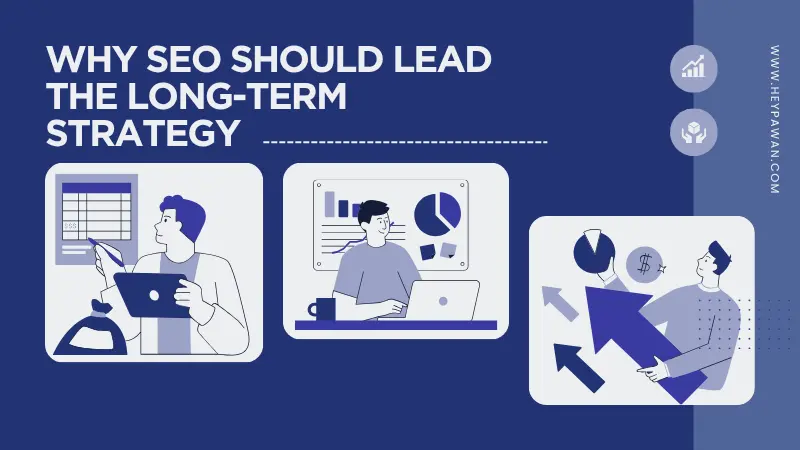
SEO deserves the greatest depth when the business needs lasting visibility for services, products, or expertise. The work may involve search-intent mapping, crawlability, indexing, technical structure, internal linking, service or category pages, and local relevance.
National businesses need pages connecting offers with served markets. Local businesses need useful city or service-area relevance without duplicated doorway pages. Ecommerce brands may need better category organization.
Google explains that pages must meet its technical requirements to be eligible for Search, although eligibility does not guarantee indexing or ranking. Google also states that existing SEO guidance remains relevant to AI Overviews and AI Mode, with no special AI schema required.
Measure SEO through Search Console visibility and qualified outcomes where reliable data exists. Businesses needing this foundation can review SEO and AI Search support.
When PPC and Google Ads Make Sense
PPC is suitable when a business needs access to commercial demand and can support the campaign with suitable pages, budget, and measurement. It can test offers while organic visibility develops.
Budget can be wasted through broad location settings, irrelevant search terms, missing negative keywords, weak campaign structure, or conversions unrelated to business value. A business serving U.S. regions should not automatically target the whole country.
Google Ads supports country, regional, city, and radius targeting. Landing-page relevance also affects performance. This is why PPC and paid advertising management must connect keyword intent, geography, landing pages, and conversion tracking.
How Website Design Affects SEO and Paid Traffic
Website design should solve communication, usability, and conversion problems, not just appearance. Traffic underperforms when visitors cannot understand the offer, find the right service, use a form, or complete a purchase on mobile.
Review navigation, page speed, service or product structure, trust information, forms, accessibility, and the path to enquiry or checkout. Google uses the mobile version of a site for indexing and ranking, while Core Web Vitals measure loading, interactivity, and visual stability.
WordPress can support service sites, while Shopify may suit product-focused stores. When the site limits visibility or conversion, conversion-focused website design may need to come before additional traffic.
How the Services and Measurement Work Together
SEO, PPC, website design, and tracking work best when they share the same audience, geography, landing pages, and conversion definitions. SEO builds sustainable discovery. PPC captures immediate commercial intent. Website design supports action. GA4 and Google Tag Manager record important events, while sales or lead feedback shows whether those events created business value.
| Decision Factor | Recommended Priority |
| Long-term visibility is weak | SEO |
| Immediate qualified demand exists | PPC |
| Traffic reaches weak pages | Website and conversion work |
| Reports contain unreliable conversions | Tracking review |
| Short-term and long-term growth are required | SEO and PPC together |
In my experience, the requested service is not always the work that should come first. Results depend on competition, budget, implementation, website quality, offer strength, and data accuracy, so no channel can guarantee rankings, leads, sales, or return.
Review Your SEO, PPC, and Website Priorities
Hey Pawan is the professional brand of Pawan Kumar, an independent Digital Marketing Freelancer with 10+ years of experience. Through Hey Pawan, I work directly on SEO, PPC, website, analytics, and conversion priorities without an agency handoff.
Share your website, intended U.S. market, traffic sources, primary conversion action, and the result you want to improve. You can discuss your digital marketing project with me to identify the most practical first phase.
Frequently Asked Questions
Should a U.S. business start with SEO or PPC?
Start with SEO when sustainable organic visibility is the main objective. PPC may deserve priority when immediate high-intent demand exists and the business has a competitive offer, suitable landing pages, controlled geographic targeting, budget, and verified conversion tracking.
Do I need a new website before running Google Ads?
Not necessarily. A focused landing-page improvement may be enough. Website work should come first when the current page is slow, confusing, difficult to use on mobile, poorly aligned with the ad, or unable to record meaningful conversions.
How should digital marketing performance be measured?
Measure qualified forms, calls, bookings, purchases, or revenue when reliable data is available. Rankings, impressions, clicks, traffic, search terms, and engagement provide context, but they should not replace business outcomes. A recorded event is not automatically a qualified lead.
Can a remote digital marketing freelancer support a U.S. business?
Yes. A remote freelancer can support a U.S. business through approved account access, documented responsibilities, clear communication, and reliable reporting. The provider should explain who completes the work and should not imply a U.S. office, local address, or local team.